
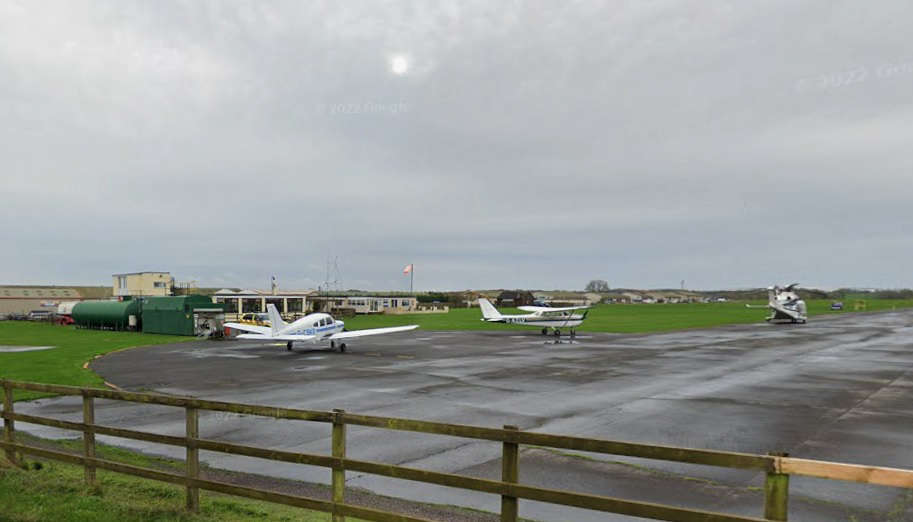
The pilot of a classic biplane which crashed at Devon’s Dunkeswell aerodrome was unsighted at a crucial moment while landing.
An official report from the Government’s Air Accidents Investigation Branch sets out the findings of its investigation into the incident on May 28.
The Tiger Moth aircraft finished upside-down after the landing mishap. Neither the pilot nor the passenger was badly hurt, but the aircraft was damaged.
Emergency services were called to the airfield north of Honiton shortly before 8pm on May 28.
Pilot Rob Doughton at RD Tiger Moth Flights said the aircraft had been returning to Dunkeswell following an introductory flight when the incident occurred.
In a statement on social media he said it had been an isolated incident with no other aircraft involved, and he was extremely grateful to the emergency services and the airfield operations team.
He also urged people not to speculate on the cause of the incident, saying there had been a number of ‘hurtful and misinformed comments’ on social media, along with speculation and inaccuracies published in online articles.
“On a personal note, please be kind,” he wrote. “At the heart of this organisation is a small team of dedicated and passionate people, myself included, who are devastated by what has happened.”
The newly-published AAIB report says that during the landing the pilot’s forward view became obstructed when the front seat passenger leaned to the left.
The report goes on: “The pilot’s instruction for the passenger to return to an upright position was not heard due to engine and airflow noise. With the pilot’s view restricted, he looked down the right side of the aircraft losing sight of the fence on the left edge of the runway.
“The aircraft deviated towards the left side of the runway, struck the fence, and overturned before coming to rest inverted in a field adjacent to the runway.”
The de Havilland Tiger Moth was designed in 1931 as a primary trainer for the RAF, and was also flown by civilian pilots.
After the war it became a hugely-popular aircraft for civilian leisure flyers. Around 9,000 of them were built, and it is estimated that up to 300 remain in flying condition today.
 New campaign asks people who smoke in Devon: “What Will You Miss?”
 Celebrating our sea “more important than ever” after sewage closes Exmouth beach for 111 days last year
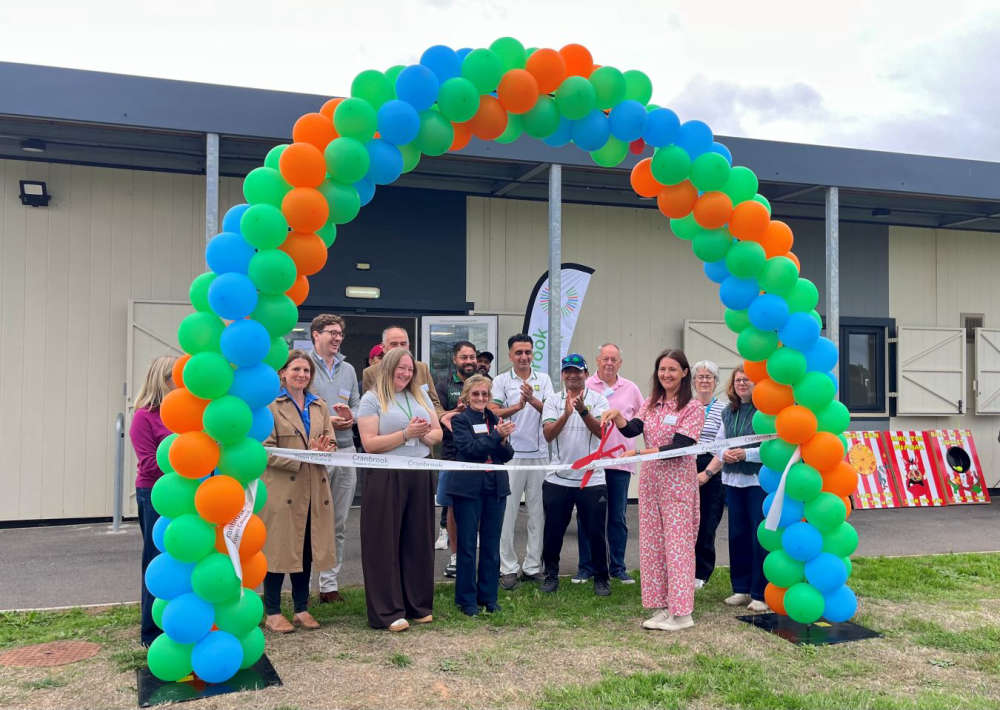 Cranbrook Celebrates Official Opening of Ingrams Sports Pitches and Pavilion
 Train4Tomorrow’s free Skills Bootcamps have been praised for ensuring age isn’t a barrier to training.
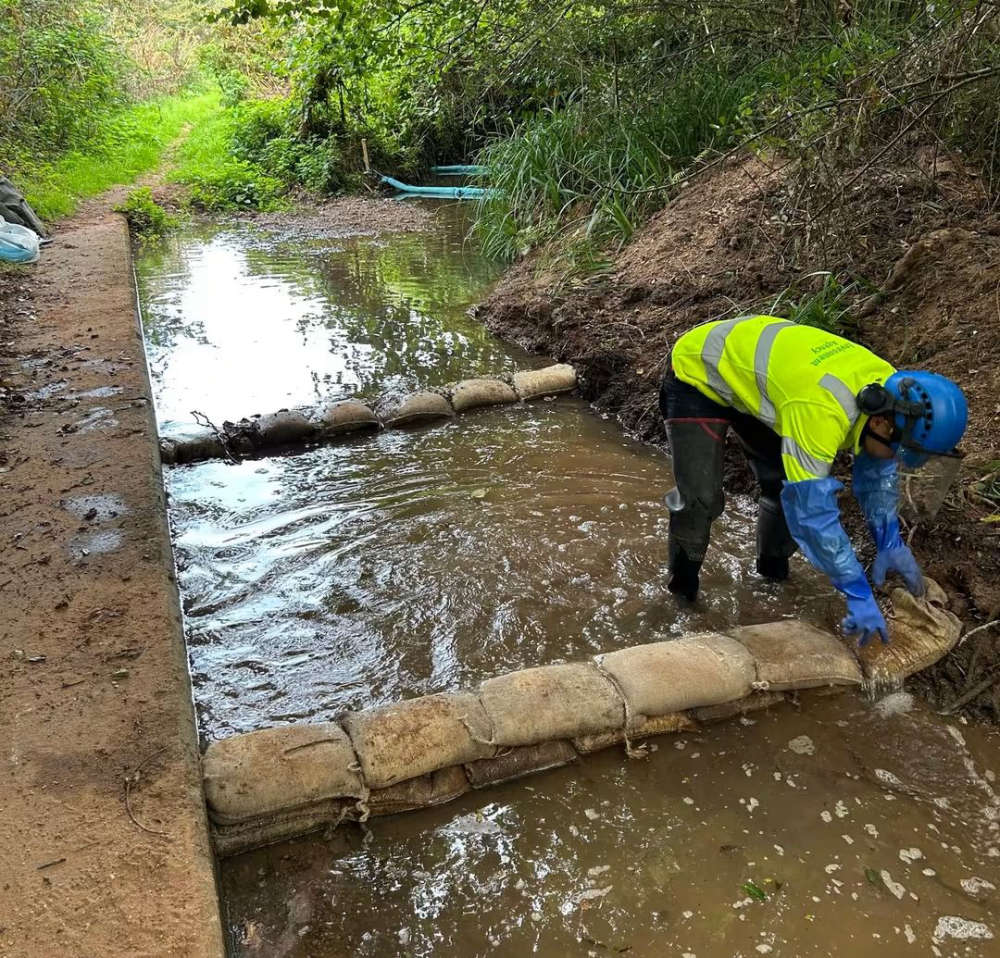 Public urged to avoid Littleham Brook and nearby swimming spots following pollution incident
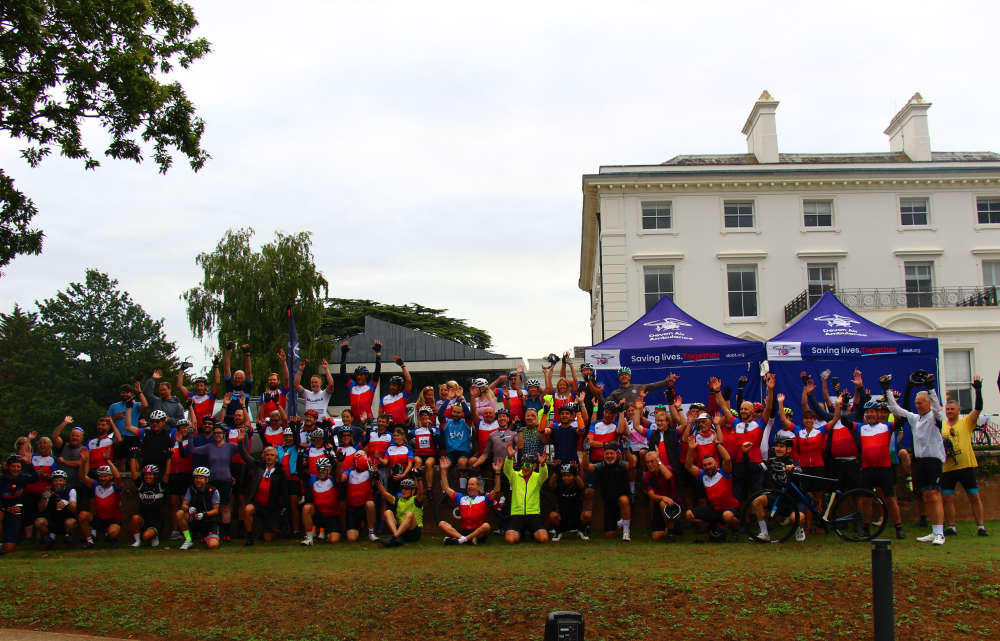 Devon Air Ambulance hold inaugural Cycle Challenge
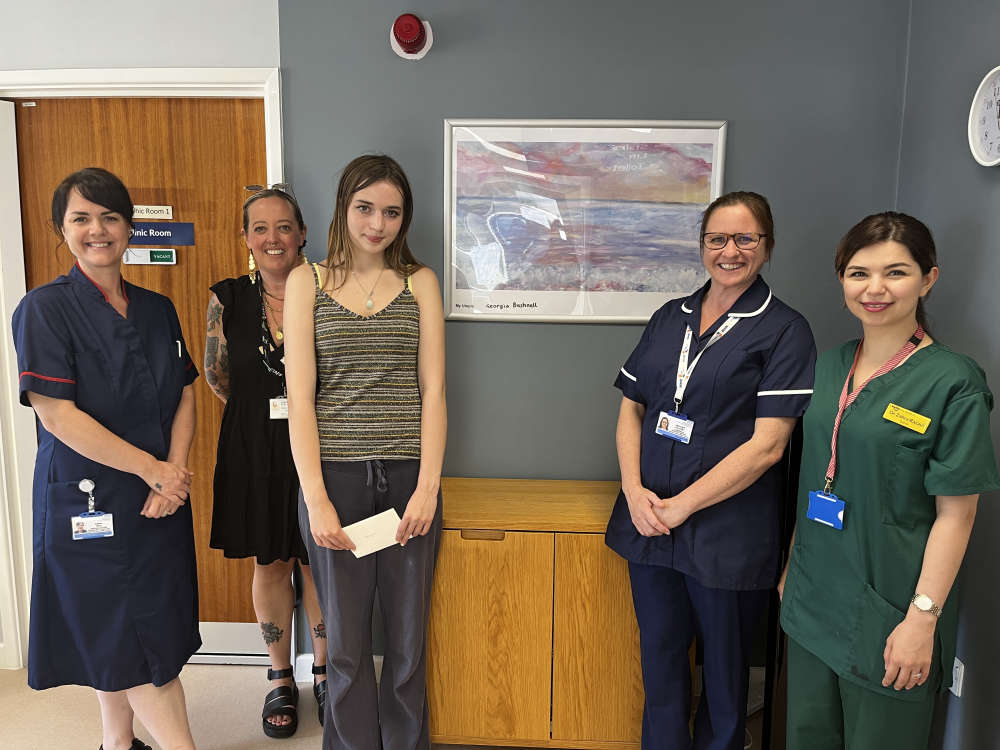 Local young artist’s work welcomes NHS research participants
 DTCCA launches £9.3 million capital fund to create more education & training opportunities for young people
 Exeter secures top 20 ranking in two leading UK university guides
 Exeter residents urged to help stop illegal fly-tipping
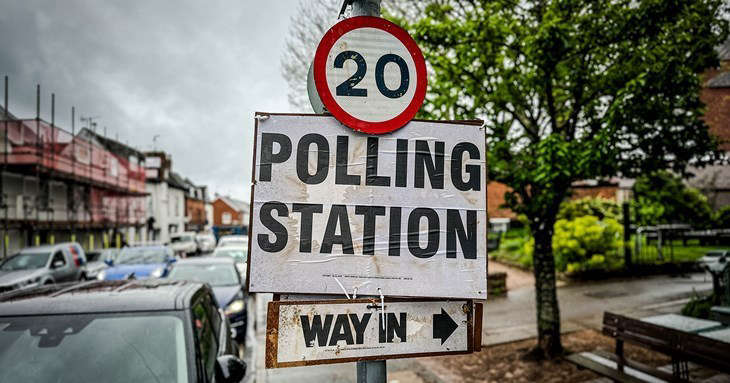 Householders urged to return forms to ensure right to vote
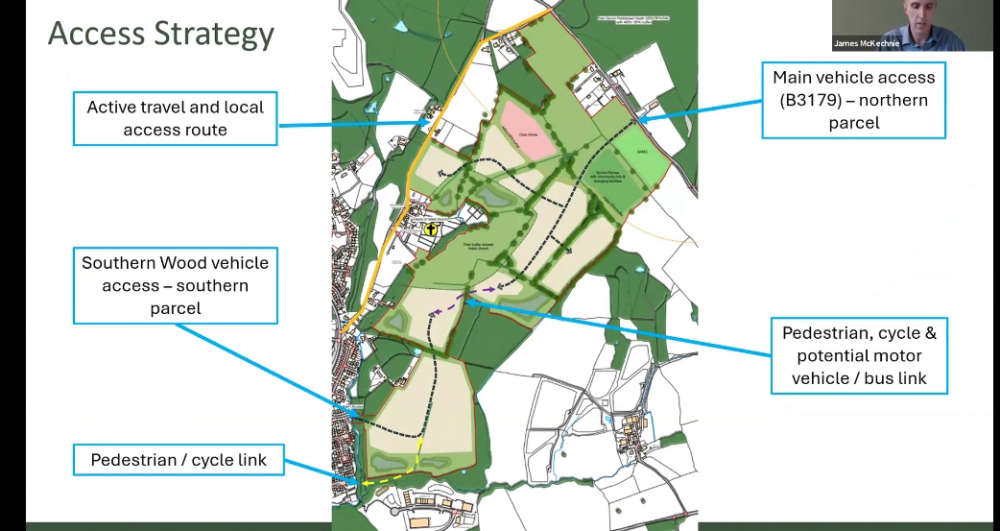 Campaigners readying for next assault against potential monster 700-home plot
 Ottery Town Council asks residents to Respect the Cemetery
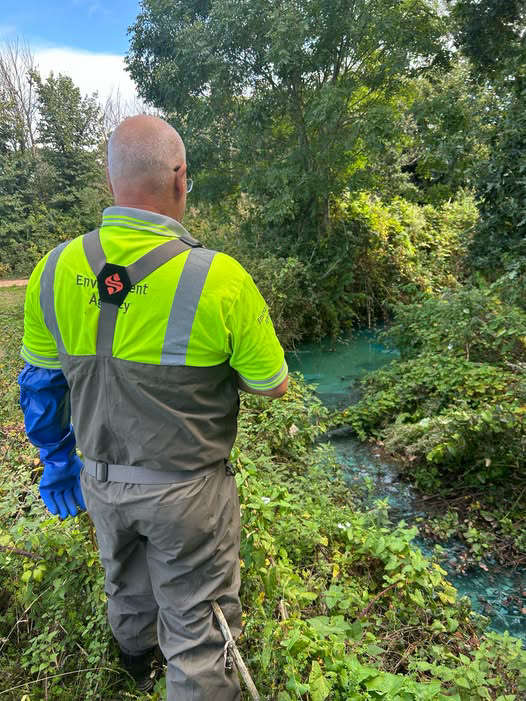 Littleham Brook Pollution Update
 Suppliers invited to find out more about opportunities with local councils
 Councillors speak out about death threats and abuse